
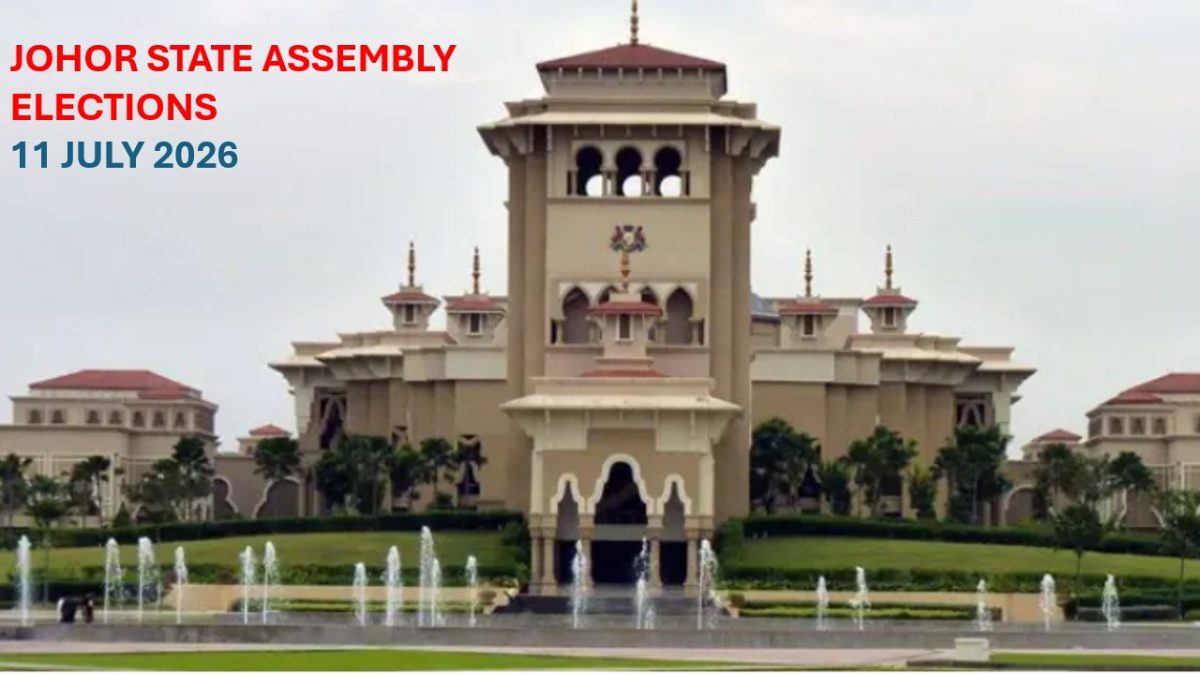
Johor Polls: Campaign dynamics shift turns the tide against Barisan Nasional
(R.Mutharasan)
JOHOR BAHRU: As the crucial Johor state election takes place tomorrow, Saturday (July 11), the political landscape in Johor has undergone a dramatic transformation. The atmosphere leading up to the nomination of candidates differs greatly from that of the actual campaign period. Over the past two weeks, the political winds have significantly shifted direction, introducing fresh variables into the race.
The Initial Outlook and sudden shifts
Until the close of candidate nominations, conventional wisdom held that the ruling Barisan Nasional (BN) coalition had an unshakeable advantage and was well positioned to retain the state. Much of this confidence stemmed from the perceived administrative success of Menteri Besar Onn Hafiz. Early predictions suggested BN would comfortably sweep the polls with a resounding majority. The only question was whether it would be able to maintain the 40-seat majority it currently holds or fall short of that target.
However, a fortnight of active campaigning has exposed tactical vulnerabilities. A series of missteps and logistical hurdles by the ruling BN machinery have inadvertently fueled the opposition, signalling an altered electoral playing field. Whether these developments will directly alter the final tally will only be determined once the ballots are counted.
The PAS-UMNO debacle
In a surprising move, PAS decided to contest only 11 seats in Johor, leaving the remaining battlegrounds to its Perikatan Nasional (PN) ally, Bersatu and MIPP. This triggered widespread speculation over where the traditional PAS base would swing in uncontested seats.
Adding fuel to the fire, PAS President Haji Abdul Hadi Awang publicly urged his supporters to back UMNO Malay-Muslim candidates in constituencies where PAS is not contesting. While it remains uncertain whether the party grassroots will fully comply with this directive, it has led rival coalitions such as the Democratic Action Party (DAP) to accuse UMNO and PAS of maintaining a clandestine backroom alliance.
Furthermore, PAS’s open declaration that it would prop up a BN state government should the coalition fall short of a working majority has deeply complicated UMNO’s position. This overture coincided with revelations about recent legislation allowing five appointed members to serve in the state assembly. Accusations have emerged from within UMNO circles that a deal has been struck to award PAS one of these appointed seats in exchange for electoral cooperation. This ongoing controversy threatens to alienate both progressive Malay voters and Johor’s influential Chinese electorate.
Shifting voter demographics and high turnout
Unlike previous elections held at the height of the COVID-19 pandemic, when strict border restrictions prevented a large diaspora of Johoreans residing in Singapore and other states from returning to vote, this election has no such barriers. A massive influx of out-of-state and cross-border voters is anticipated, creating a wildcard element that could disrupt traditional voting patterns.
Concurrently, early voting figures have already sent shockwaves through political circles, registering an extraordinarily high turnout of over 94%. Analysts remain divided over whether this surge among civil servants, military personnel, and police officers signals robust support for the established state government or a silent mandate for the federal PH administration.
The Shadow of Najib Razak’s release
The narrative surrounding the election was further complicated by statements from the family of former Prime Minister Najib Razak. Amidst initial signs of momentum for UMNO, Najib’s son publicly suggested that a decisive BN victory in Johor could pave the legal and political path for his father’s release or transition to house arrest.
The opposition seized on this statement immediately. Prime Minister Anwar Ibrahim used his campaign platforms to warn the electorate that a vote for BN was effectively a vote to absolve Najib. This focus on Najib’s legal status has added an intense layer of national political baggage to what was intended to be a localised state poll.