Trump Announces Two-Week ceasefire’ with Iran, narrowly averting full-scale War
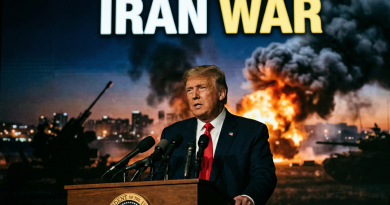
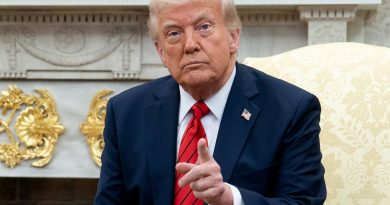
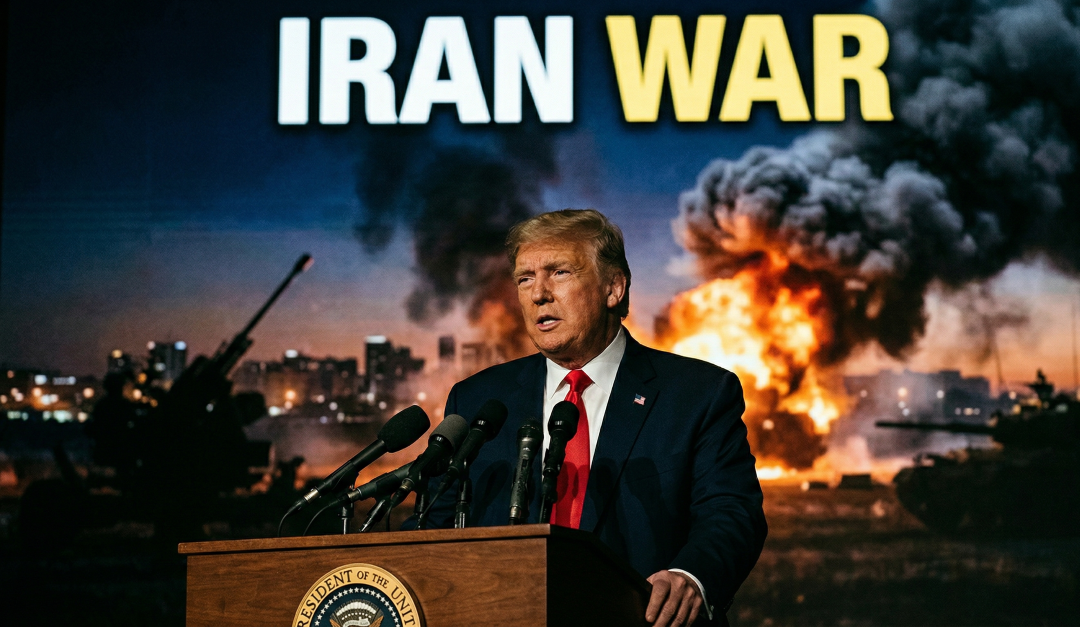
WASHINGTON: In a dramatic last-minute reversal, President Donald Trump announced on Tuesday evening that the United States has agreed to a conditional two-week ceasefire with Iran, suspending a massive planned air campaign just 90 minutes before a self-imposed deadline that threatened the “annihilation” of Iranian civilian infrastructure.
The President’s announcement, delivered via Truth Social at 6:32 PM ET, followed a high-stakes diplomatic intervention. The deal effectively freezes Operation Epic Fury, the month-long military conflict that has seen the decimation of the Iranian Navy and Air Force and caused global energy prices to soar.
The ceasefire was mediated by Pakistani Prime Minister Shehbaz Sharif and Field Marshal Asim Munir, who requested the 14-day pause to “allow diplomacy to run its course.” President Trump credited the Pakistani leaders for their role, stating he had agreed to “hold off the destructive force” originally scheduled to be unleashed at 8:00 PM tonight.
“Subject to the Islamic Republic of Iran agreeing to the complete, immediate and safe opening of the Strait of Hormuz, I agree to suspend the bombing and attack of Iran for a period of two weeks,” the President wrote. He characterised the move as a “double-sided ceasefire.”
The day began with some of the most ominous rhetoric of the conflict. Earlier on Tuesday, the President had warned that “a whole civilisation will die tonight,” asserting that U.S. bombers were prepared to strike every major bridge, power plant, and rail station across Iran.
The threats had drawn sharp international condemnation. Pope Leo XIV called the targeting of civilian infrastructure “truly unacceptable,” while legal experts and several European allies warned that such actions could constitute war crimes.
Terms of the Truce
According to the White House and reports from the Iranian state news agency IRNA, the two-week window will be used to negotiate a final armistice based on a 10-point proposal submitted by Tehran. Key elements of the provisional agreement include:
*The Strait of Hormuz : Iran has reportedly guaranteed “safe passage” for international shipping through the vital chokepoint, though Tehran maintains the passage will remain under “Iranian management.”
*Military Objectives: President Trump claimed the pause was possible because the U.S. has already “met and exceeded all military objectives” in the region.
*Negotiation Site: Official talks between U.S. and Iranian representatives are expected to begin this Friday, April 10, in Islamabad, Pakistan.
News of the ceasefire brought immediate, if cautious, relief to global markets. Crude oil futures, which had spiked in anticipation of the 8:00 PM deadline, began to stabilise as the immediate threat of the total destruction of Iran’s energy sector receded.
Despite the truce, the mood in Tehran remains bleak. While the immediate threat of a “stone age” bombing campaign has passed, Iranian officials cautioned that the talks “do not mean the end of the war.” In the U.S., some congressional leaders expressed relief at the pause, while others called for transparency regarding the specific concessions made to secure the opening of the Strait.
The ceasefire is set to expire on April 21, 2026, unless a permanent agreement is finalised.