US and Iran reach historic peace agreement to de-escalate Middle East Tensions
GENEVA / WASHINGTON: Following a tumultuous period of strategic manoeuvres and direct military confrontations amid peace talks, the United States and Iran have successfully concluded and formalised a historic bilateral accord.
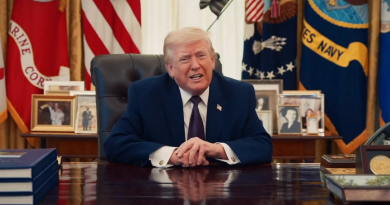
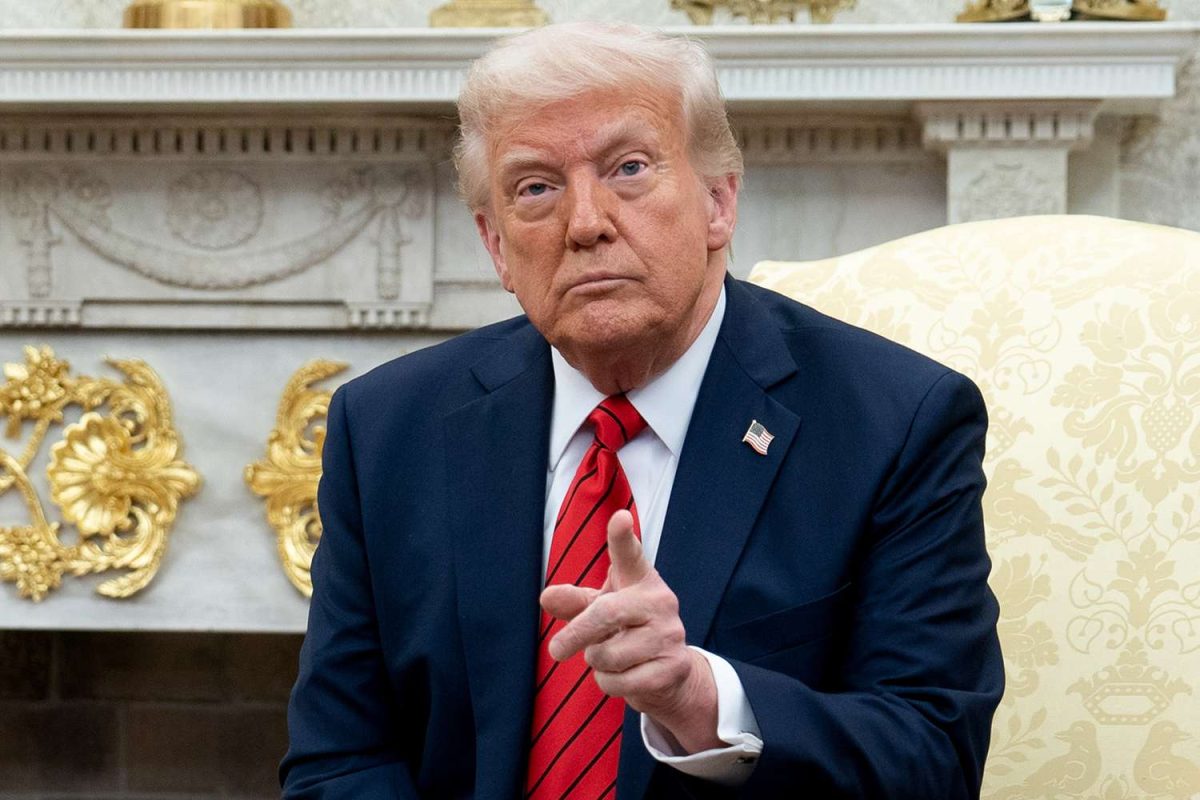
According to official executive dispatches, the newly minted peace framework is scheduled to take effect this Friday (June 19). US President Donald Trump announced that, in accordance with the terms of the treaty, the United States will immediately cease all maritime blockades and regulatory restrictions that have long barred international commercial vessels from accessing strategic Iranian shipping ports.
Crucially, President Trump verified that the highly contested Strait of Hormuz will be comprehensively reopened to international transit immediately upon the formal signing of the documents. While both nations have expressed optimism, the precise legal provisions and fundamental baseline features of the agreement remain strictly classified.
Iran’s Deputy Foreign Minister confirmed that the formal signing ceremony for the diplomatic accord will take place in Geneva, Switzerland, this Friday.
Under the treaty’s unclassified parameters, the United States will initiate a phased, multi-tiered release of billions of dollars in sovereign Iranian financial assets that remain frozen in various international banking institutions. Concurrently, both Washington and Tehran have committed to entering a mandatory 60-day window of technical negotiations specifically dedicated to defining a long-term nuclear weapons regulatory framework.
Meanwhile, Tel Aviv has maintained strict diplomatic silence, with the Israeli administration refusing to release any official statement regarding the validity of the US-Iran accord.
Amidst these diplomatic breakthroughs, the Israeli Air Force executed a series of airstrikes targeting strategic assets in Beirut, Lebanon, on Sunday, June 14. Defence analysts noted that these military strikes were carried out shortly before President Trump’s formal announcement of the peace accord between the US and Iran.
Commenting on the diplomatic challenges encountered during the secret talks, President Trump specifically alluded to Israeli Prime Minister Benjamin Netanyahu, dryly observing that getting Netanyahu to agree to any diplomatic concession is notoriously difficult.
Economic Rebound and International Commendations
Global energy markets reacted immediately to the cooling of geopolitical volatility, with international crude oil prices registering a sharp, sudden decline following the announcement.
A succession of world leaders and sovereign heads of state have already extended their formal congratulations to both Washington and Tehran, hailing the peace agreement as a monumental achievement for global security and economic stability.
President Trump concluded his remarks by guaranteeing that under the structural definitions of the new maritime framework, no commercial cargo vessels navigating the Strait of Hormuz will be subjected to arbitrary tariffs or transit fees. The critical maritime corridor, he emphasised, will be legally preserved as an open, unrestricted international shipping lane accessible to all trading nations worldwide.