India gears up for high-stakes assembly elections in 5 States this April
New Delhi — India’s electoral machinery swings into action as the Election Commission of India formally announced assembly poll schedules for five states and a Union Territory on Sunday, triggering the Model Code of Conduct and setting the nation’s political class on a war footing ahead of what promises to be a defining electoral season.
Voters in West Bengal, Keralam, Tamil Nadu, Assam, and Puducherry will cast their ballots between April 9 and April 29, with counting across all constituencies scheduled for a single day — May 4, 2026.
The Election Commission has structured the polls in two broad tranches. The opening salvo falls on April 9, when Keralam, Assam, and the Union Territory of Puducherry will hold simultaneous single-phase elections — a logistical alignment that will test the Commission’s deployment resources across geographically diverse territories stretching from the southernmost tip of the subcontinent to the northeastern frontier.
The electoral calendar then shifts to April 23, when Tamil Nadu goes to the polls in a single phase. West Bengal, the most complex electoral theater of the five, begins its two-phase exercise on the same day, concluding with the second and final phase on April 29.
All eyes will then turn to May 4, when votes across all five states and Puducherry will be counted simultaneously — a results day that political analysts expect will reverberate well beyond the boundaries of the states concerned.
Why these Elections matter
The timing of these polls is constitutionally driven — the legislative assemblies of all five states and Puducherry are due to expire in May and June 2026. But the political significance of this electoral cycle extends far beyond procedural necessity.
Taken together, the five states represent a cross-section of India’s political landscape and a direct referendum on the competing forces shaping national politics ahead of the next general election.
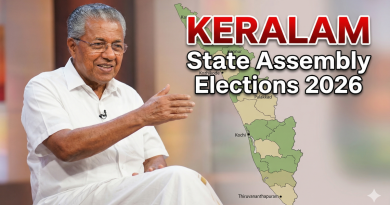
Keralam remains one of the few strongholds of the Left in India, with the Communist Party of India (Marxist)-led Left Democratic Front defending its incumbency against a resurgent Congress-led United Democratic Front. A change of guard in Thiruvananthapuram would mark a significant moment for the Left’s national standing.
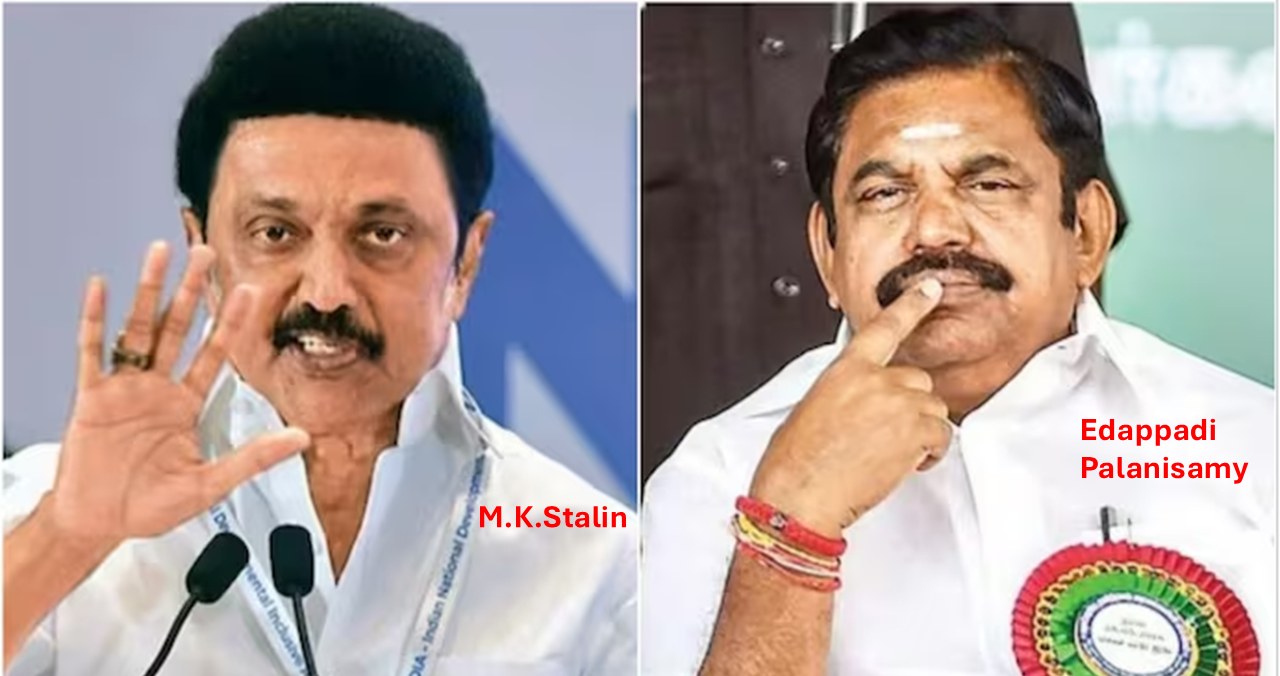
Tamil Nadu is expected to be a battle of Dravidian dominance, with the incumbent Dravida Munnetra Kazhagam (DMK) government under Chief Minister M.K. Stalin seeking a fresh mandate. The All India Anna Dravida Munnetra Kazhagam (AIADMK), seeking to reclaim lost ground, will be closely watched.
Assam, under Chief Minister Himanta Biswa Sarma, represents one of the Bharatiya Janata Party’s most secure northeastern fortresses. The BJP will be keen to consolidate its grip while the opposition looks for any foothold in a state that has trended decisively rightward in recent years.
West Bengal — always a crucible of raw political contest — promises to be the most fiercely watched battleground of the season. Chief Minister Mamata Banerjee’s Trinamool Congress will defend its commanding position against a BJP that has invested heavily in breaking through in the state. The two-phase format reflects the scale and sensitivity of polling in a state with a history of electoral volatility.
Puducherry, the small but symbolically significant Union Territory, rounds out the electoral map with its own contest between regional and national forces. Always Tamil Nadu and Puducherry always shared same polling day but this year Tamil Nadu goes for polls on April 23 while Puducherry will go for polls on the 9th of April 2026.
The Code Kicks In
With the announcement, the Model Code of Conduct came into immediate effect across all five states and Puducherry, placing restrictions on government spending announcements, policy launches, and the use of state machinery for political purposes. Senior Election Commission officials confirmed that central observer teams and security forces would be deployed well ahead of polling dates to ensure a free and fair process.
A Nation Watching
Political strategists across party lines acknowledge that the May 4 results will serve as a crucial barometer of public sentiment — a mid-term report card of sorts on both the Central government and the state administrations facing the electorate. With coalition arithmetic in flux and regional identities asserting themselves with renewed vigour, the outcomes in these five states could reshape political alignments and re-calibrate ambitions ahead of the next general election.